Beyond Basics: Exploring The Impact of Concrete on Contemporary Architecture Mar 29, 2026
Concrete, long celebrated for its durability and versatility, is now being recognized not just for its functional properties but also for its aesthetic potential in contemporary architectural designs. The material's capacity to be molded into various forms and finishes allows architects to push the boundaries of creativity, resulting in buildings that are not only structurally sound but also visually stunning. From the sweeping curves of Frank Gehry’s designs to the minimalistic elegance of Tadao Ando’s structures, concrete proves to be a canvas for architectural imagination.
This shift in perception is partly due to the technological advancements in concrete formulations. The development of high-performance concrete (HPC) and ultra-high-performance concrete (UHPC) has expanded the possibilities of what can be achieved. These innovative mixes are enabling thinner and more complex structures while also enhancing strength and durability. For J & Son Construction LLC, this means delivering more customized solutions that meet both the structural and aesthetic demands of cutting-edge projects.
Moreover, concrete's impact on sustainable architecture cannot be overstated. As the construction industry pivots towards greener practices, concrete’s capacity to incorporate recycled materials such as post-consumer glass, fly ash, and slag cement makes it an attractive choice for eco-conscious designs. The thermal mass of concrete also contributes to energy efficiency by maintaining optimal indoor temperatures, reducing reliance on heating and cooling systems. This synergy between sustainability and performance is particularly appealing for businesses eager to align their construction projects with environmental goals.
For architects and builders, understanding the multifaceted applications of concrete in contemporary design is crucial. It entails not just the ability to manipulate the material but also to grasp its interaction with other elements in the architectural ecosystem. The textures, colors, and patterns of concrete can be paired harmoniously with glass, wood, and steel to create compelling contrasts or seamless transitions. The raw, industrial look of exposed concrete, for example, is a beloved feature in modern interiors, offering a sophisticated edge to residential and commercial spaces alike.
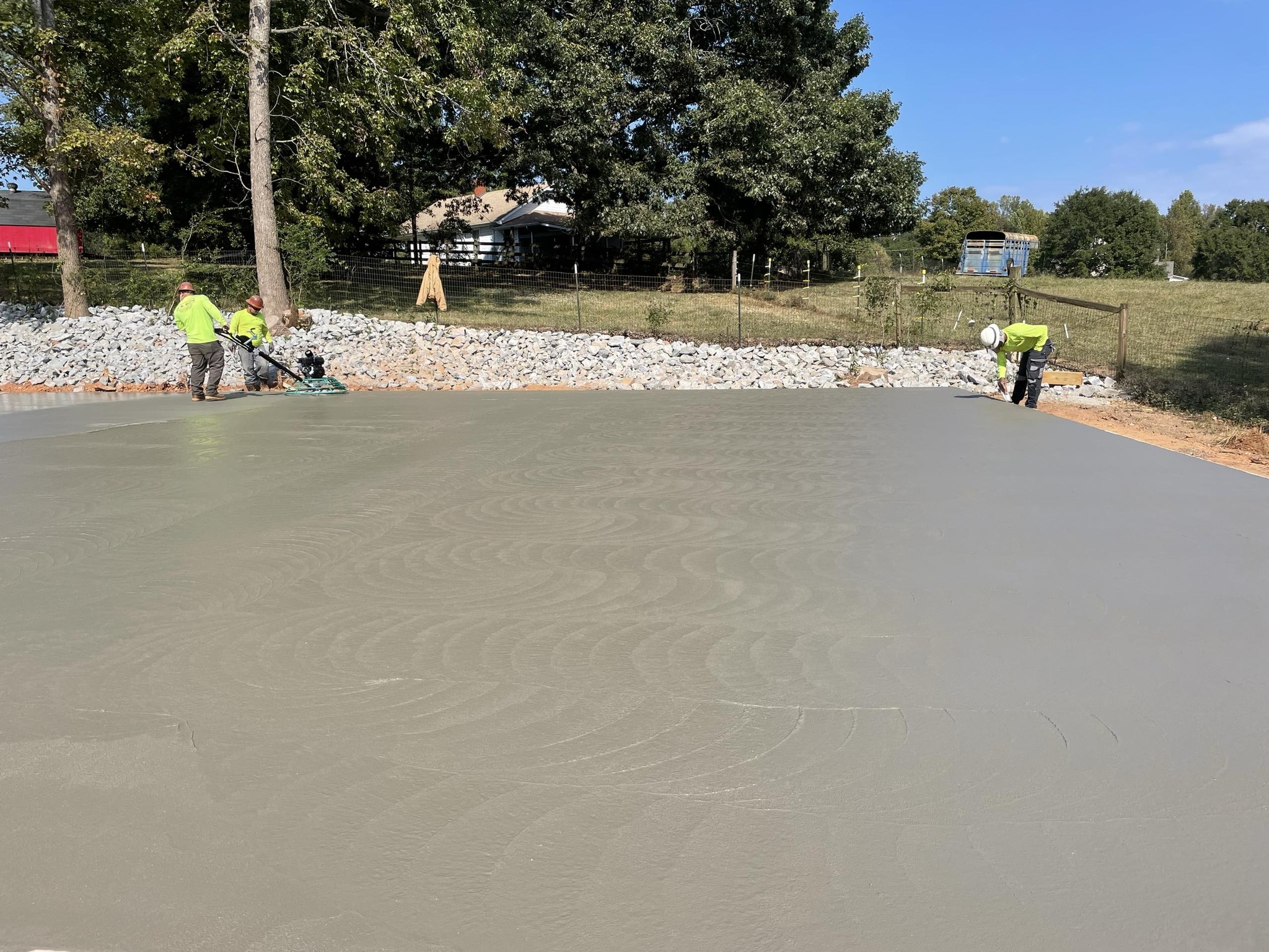
Incorporating concrete into designs involves thoughtful consideration and expertise. Professionals must balance aesthetic appeal with practical functionality and environmental impact. J & Son Construction LLC recognizes the importance of precision in execution, whether it involves pouring a robust foundation or crafting refined architectural details. Their expertise ensures that concrete elements are not only structurally integral but also aesthetically aligned with the visions of contemporary architecture.
As we look to the future, the role of concrete in architecture is bound to expand further. With ongoing research and innovation, new forms and applications will continue to emerge, reinforcing concrete’s status as an architectural cornerstone. For companies like J & Son Construction LLC, staying abreast of these trends ensures they remain at the forefront of delivering concrete solutions that are both forward-looking and grounded in technical excellence.
In conclusion, concrete’s impact on contemporary architecture encompasses utility, beauty, and sustainability. As a pivotal material, its ongoing evolution promises to foster architectural designs that are both innovative and mindful of the world we inhabit. For those engaging the services of companies like J & Son Construction LLC, this intersection of tradition and modernity offers exciting possibilities for their architectural ventures.
/filters:no_upscale()/filters:format(webp)/media/85720551-53da-4c92-9eac-eaa5fa136372.jpeg)
/filters:no_upscale()/filters:format(webp)/media/590d65ba-bd1c-438d-a5b1-196edb97b0e1.jpeg)